About the project
Retracing the oldest lines.
A surveyor’s habits, turned toward the first century.
Every boundary I’ve ever retraced started the same way: an old record, a few faded marks on the ground, and a question about what really happened.
I’m Issiah Haynes, and by trade I’m a licensed land surveyor. My job is to go back to the original evidence (deeds, plats, field notes, monuments set by someone long gone) and work out what can be established, what can’t, and why. You learn quickly that the most confident story in the room isn’t always the one the evidence supports.
Somewhere along the way, I noticed I was asking the same kinds of questions about faith and its history. Not just what have I always been told? but what do the earliest sources actually say? Who wrote them, and when? What were they trying to explain?
The 30 CE Project is where I follow those questions out loud, and invite you to walk the ground with me.
The method
How a surveyor reads the first century
I.
Start with the oldest record
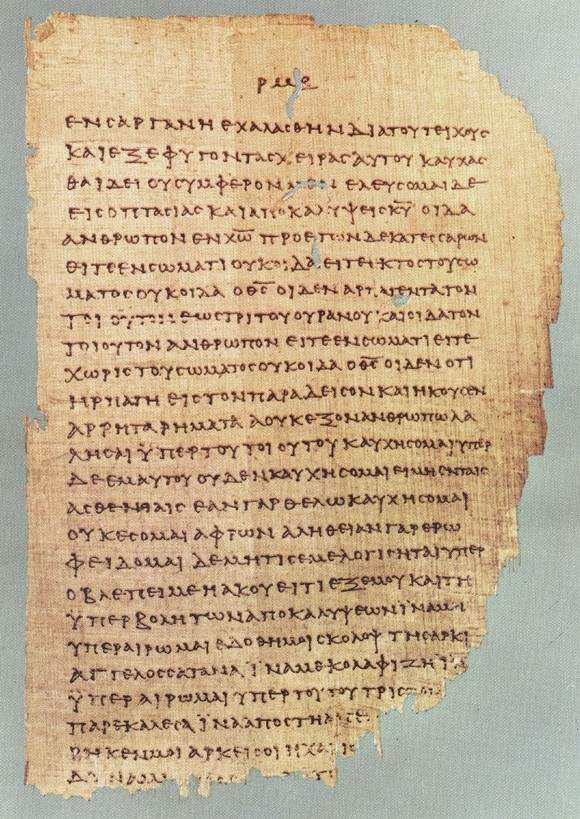
In surveying, the original survey controls. In history, the earliest witnesses come first: Paul’s letters, the Gospels, and the inscriptions and papyri closest to the events.
II.
Weigh every witness
Not all evidence carries the same weight. I’ll show you which sources are early and which are late, and where they agree or pull apart.
III.
Mark the gaps honestly
When the record runs out, a good surveyor says so. So will I. Sometimes “we don’t know” is the most accurate answer there is.
The name
Why 30 CE?
Around the year 30, the date many historians give, a Jewish teacher from Galilee was executed by Rome outside the walls of Jerusalem. By every normal measure, that should have been the end of the story.
It wasn’t. Within a generation, his followers were proclaiming him in synagogues, marketplaces, and house churches across the Mediterranean world. How did they make sense of a death that seemed to end everything? How did a small Jewish movement become a faith that outlasted the empire that crucified its founder?
That’s the starting point. From there, the project will widen into the broader history of religion: the beliefs, texts, and communities that shaped how people have understood God and themselves.
I’ll tell you what the evidence supports, where scholars disagree, and where the honest answer is “we don’t know.”
The road ahead
Where this journey is headed
Somewhere between the scholar and the curious reader: the best research, cited honestly and explained in plain language.
Now
Articles
Careful, sourced deep dives into the questions that shaped the earliest church. Begin the journey →
Coming
Podcast
Conversations for the drive or the walk that make the scholarship easy to follow. Got a question for an episode? Send it →
Coming
Interviews
Scholars, pastors, and thinkers on what they’ve found and why it matters. Know someone I should talk to? Suggest a guest →
In time
Books
The longer journeys, built from everything above. Subscribers will hear about them first.
Want each new stop as it arrives?
Off the page
The person holding the map
When I’m not reading ancient letters, I’m usually out retracing someone else’s lines on the ground. I’m a U.S. Army veteran, and I facilitate a book club, which is where many of these questions first came up, and where I learned how much people want honest answers to them.
I’m not writing as a professor or a preacher. I’m writing as someone who has spent a career learning to respect evidence, and who believes these questions deserve that same respect.
Walk the line with me.
Start at the beginning, or tell me what you’ve been wondering about.

