Start here
Let the journey begin.
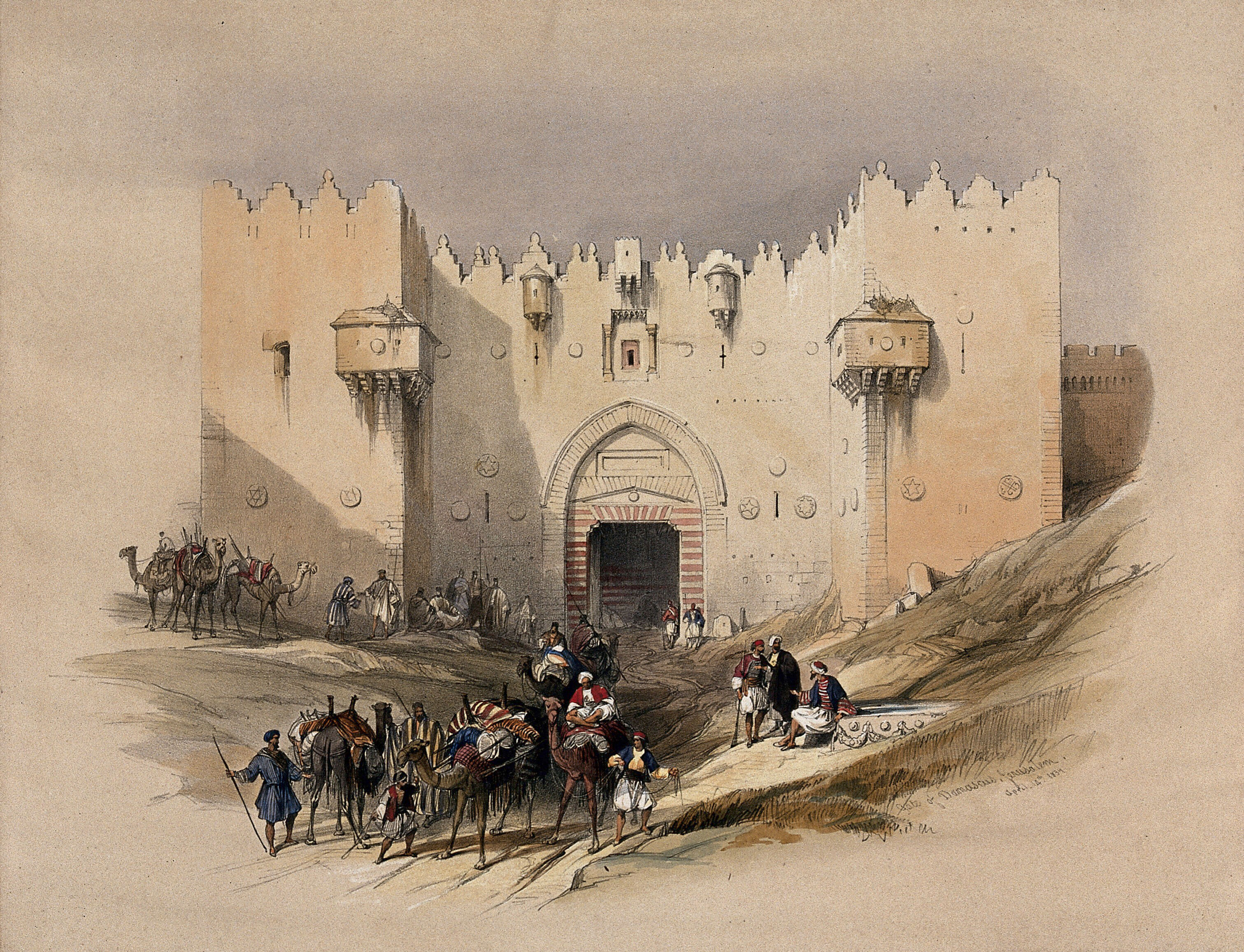
Nearly two thousand years ago, a small band of grieving followers walked out of Jerusalem with a claim that would change the world. This is where we follow their footsteps, one source at a time.
Welcome, traveler. You don’t need a seminary degree to make this trip. You only need curiosity and a willingness to follow the evidence wherever it leads.
Picture Jerusalem in the spring of 30 CE. A teacher from Galilee has just been executed by Rome. His followers had expected God to restore Israel; instead, their hopes died with him on a cross. And yet, within twenty years, those same followers were telling anyone who would listen that he had been raised from the dead, and their message was spreading from city to city across the Roman world.
What happened in between? That is the mystery at the heart of The 30 CE Project. Here, we go back to the oldest writings that survive, read them carefully, and ask what they can and cannot tell us.
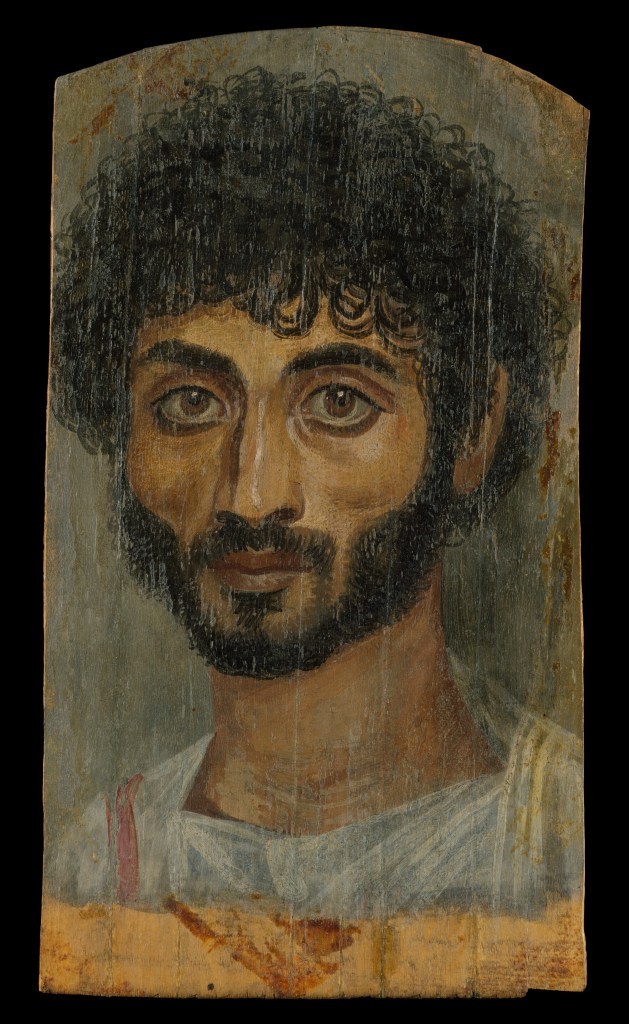
A face from Jesus’s world. This portrait of a bearded man was painted from life in Roman Egypt around 160–180 CE. It is not Jesus, whose appearance the Gospels never describe, but portraits like it show how ordinary men of the eastern Mediterranean looked in the generations after him. The Metropolitan Museum of Art. Public domain.
The road ahead
Four stops on the journey
Stop I · The shattered hope
Why a crucified messiah made no sense
Many Jews hoped for a king who would free Israel from Rome. A messiah executed by Rome looked like the end of the story, not the beginning.
Stop II · The appearances
What did they say they saw?
Peter, James, and Paul all became leaders of the movement. Paul uses a single Greek word, ὤφθη, “he appeared,” for what each of them experienced. What might that mean?
Stop III · The scriptures
Old words, read in a new light
Isaiah’s suffering servant, Hosea’s “third day,” Daniel’s sleepers who awake. Jesus’s followers searched their scriptures for meaning, and found it.
Stop IV · The hope reborn
The first fruits of a new age
Paul called the risen Jesus “the first fruits of those who have died.” To his followers, the end of the story had become the beginning of something larger.
Pack these questions
Did you know?
Paul came first
The Gospels come first in the Bible, but Paul’s letters were written earlier, about twenty years after the crucifixion. They are the oldest Christian writings we have.
A creed older than the Gospels
In 1 Corinthians 15, Paul quotes a short statement of belief he says he “received.” Many scholars think it goes back to the movement’s first years.
The doubter who led
Jesus’s brother James apparently did not follow him during his life. Later he led the church in Jerusalem. What changed?
✦
How we travel
Three rules for the road
i.
Walk with the sources
Every claim goes back to an ancient text you can look up yourself. Chapter and verse, every time.
ii.
Hear every side
When scholars disagree, you’ll get the strongest version of each view, then decide for yourself.
iii.
Know where the map ends
Where the evidence runs out, we say so plainly. Sometimes the honest answer is “we don’t know.”
A traveler’s phrasebook
Words for the road
Six words you’ll meet along the way, in the languages the first followers actually used.
בַּיִת שֵׁנִי
Hebrew · bayit sheni · “second house”
Second Temple
The era from the Temple’s rebuilding in the late sixth century BCE to its destruction by Rome in 70 CE. The world Jesus lived in.
מָשִׁיחַ · Χριστός
Hebrew mashiach · Greek Christos · “anointed one”
Messiah
Many Jews hoped for an anointed king descended from David who would free Israel from foreign rule. “Christ” is the same word in Greek.
ἀποκάλυψις
Greek · apokalypsis · “unveiling”
Apocalyptic
Writings like the book of Daniel that unveil heavenly secrets through visions, often about God’s coming judgment and a new age.
παρέδωκα
Greek · paredōka · “I handed on”
Creed
A short statement of belief, memorized and passed down. Paul opens one with this very word in 1 Corinthians 15:3.
Κηφᾶς
From Aramaic · Kēphas · “rock”
Cephas
Peter’s nickname in Aramaic, the everyday language of Jesus. Paul almost always calls him Cephas.
ὤφθη
Greek · ōphthē · “he appeared”
Appeared
Paul’s word for the risen Jesus appearing to Cephas, James, the Twelve, and himself. What did he mean by it?
✦
Travel with us
The journey unfolds one article and one episode at a time. Join the list and never miss the next stop.

